Research shows that environmental conditions can significantly influence recovery, stress levels, and overall health outcomes in both humans and animals. Factors such as noise, social interaction, access to comfortable spaces, and daily routines affect physical and psychological well-being across species. While human and veterinary medicine approach care differently, growing evidence suggests that many wellness principles are rooted in shared biological responses to stress and environmental conditions.
Interest in wellness-focused environments has expanded across many industries, from healthcare facilities to spas and rehabilitation centers. Information shared by sources such as Amenity Esthetics in Ashburn reflects broader discussions about how surroundings, relaxation, and preventive wellness practices may contribute to overall quality of life. Similar conversations are increasingly occurring in animal health, where veterinarians and animal behavior specialists examine how environmental factors influence recovery and long-term well-being.

Environmental Influences on Health and Recovery
The connection between environment and health is supported by decades of scientific research. Studies published by the National Institutes of Health (NIH) indicate that chronic stress can affect immune function, sleep quality, cardiovascular health, and recovery from illness. Experts note that prolonged exposure to stressful environments may increase inflammation and contribute to poorer health outcomes.
Animals experience comparable physiological responses. Research from the American Veterinary Medical Association (AVMA) and the American Animal Hospital Association (AAHA) shows that stress can influence behavior, immune responses, appetite, and healing processes in companion animals. Whether dealing with a recovering dog after surgery or a person recovering from illness, environmental conditions often play a meaningful role in the healing process.
These similarities have prompted researchers to explore how stress management strategies may benefit both humans and animals, while recognizing important differences between species.
Argument: Stress Reduction Strategies Benefit Both Humans and Animals
One argument is that reducing stress creates measurable health benefits regardless of species. Human healthcare increasingly recognizes the value of calm environments, restorative sleep, social support, and relaxation techniques. Data from the World Health Organization (WHO) indicates that stress management can contribute to improved mental health and overall wellness.
Animal care professionals have observed similar patterns. Veterinary experts note that reducing anxiety in clinical settings can improve cooperation during examinations, decrease fear-related behaviors, and support recovery. Many veterinary hospitals now incorporate quieter waiting areas, separate spaces for different species, and low-stress handling techniques.
Several common wellness principles appear across both fields:
- Consistent daily routines help reduce uncertainty and anxiety.
- Comfortable resting environments support recovery.
- Access to appropriate social interaction can improve emotional well-being.
- Regular physical activity contributes to physical and mental health.
- Preventive care reduces the likelihood of serious health complications.
Research from the Centers for Disease Control and Prevention (CDC) highlights the importance of preventive health measures for people. Likewise, veterinary organizations emphasize preventive examinations, vaccinations, nutrition, and behavioral monitoring as essential components of animal wellness.
These parallels suggest that certain recovery and wellness principles may be broadly applicable across living organisms.
Counterargument: Human Wellness Models Cannot Always Be Directly Applied to Animal Care
Despite these similarities, direct comparisons have limitations. Human wellness programs are designed around human physiology, communication abilities, cultural expectations, and personal preferences. Animals experience the world differently and often communicate stress through behaviors that may be misunderstood by people.
Experts from the American College of Veterinary Behaviorists emphasize that animal welfare strategies must account for species-specific needs. A relaxation practice that benefits humans may have little relevance for a dog, cat, horse, or bird. Similarly, environmental features that humans find comforting may not necessarily reduce stress in animals.
For example, people often seek quiet spaces, guided relaxation, or wellness treatments as part of self-care routines. Animals may benefit more from predictable routines, species-appropriate enrichment, adequate exercise, and environments that allow natural behaviors. Recovery plans must therefore be tailored to the biological and behavioral characteristics of each species.
This distinction is particularly important when interpreting animal behavior. Signs of stress in pets may include changes in appetite, excessive grooming, hiding, vocalization, aggression, or withdrawal. Recognizing these indicators requires specialized veterinary knowledge rather than assumptions based on human experiences.
Comparing Recovery Environments, Behavioral Health, and Preventive Wellness
Recovery environments represent one of the clearest areas where human and animal wellness intersect. Healthcare designers increasingly incorporate natural light, reduced noise levels, comfortable furnishings, and calming layouts into hospitals and rehabilitation facilities. Research published by the Agency for Healthcare Research and Quality (AHRQ) suggests that supportive environments can positively influence patient experiences and recovery.
Veterinary facilities have adopted comparable concepts. Fear-free handling approaches, environmental enrichment, and stress-reduction protocols aim to create safer and more comfortable experiences for animals receiving treatment.
Behavioral health also serves as a point of comparison. Mental wellness has become a growing focus in human healthcare, with increasing attention paid to emotional resilience, stress management, and psychological support. In animal health, behavioral well-being is similarly recognized as an important component of overall welfare.
Preventive wellness provides another area of overlap. Human preventive care often includes regular screenings, healthy nutrition, exercise, sleep management, and stress reduction. Animal preventive care includes wellness examinations, vaccinations, parasite prevention, balanced diets, exercise, and behavioral assessments.
Although the methods differ, the underlying goal remains similar: reducing risk factors before more serious health problems develop.
Wellness-Oriented Businesses Within Broader Health Discussions
The growing popularity of wellness-oriented businesses reflects broader public interest in proactive health management. Spas, fitness centers, wellness clinics, and preventive health programs often emphasize stress management, self-care, and long-term well-being.
These organizations contribute to wider conversations about how environmental factors influence health. While businesses serving humans focus on human needs, their popularity highlights a larger recognition that wellness extends beyond medical treatment alone. Recovery, comfort, stress reduction, and preventive practices are increasingly viewed as complementary aspects of health management.
Animal care professionals have adopted similar perspectives through advancements in veterinary behavioral medicine, environmental enrichment programs, and low-stress animal handling techniques. These developments illustrate how both industries continue exploring the relationship between environment and health outcomes.
READ ALSO: Pampering Your Paws | The Benefits of Massage for Pet Health
Finding Balance Between Species-Specific Care and Universal Wellness Principles
The comparison between human and animal wellness reveals both meaningful similarities and important differences. Stress, environmental quality, routine, and preventive care influence health outcomes across many species. Research consistently demonstrates that supportive environments can contribute to improved recovery experiences and overall well-being.
At the same time, effective care must remain species-specific. Human wellness practices cannot simply be transferred to animal care without considering behavioral and biological differences. Veterinary medicine and human healthcare each require specialized approaches that reflect the unique needs of their patients.
A balanced perspective recognizes that universal wellness principles and species-specific care can coexist. By understanding how stress, environment, and preventive health influence living organisms, healthcare professionals, veterinarians, and caregivers can make more informed decisions that support healthier outcomes for both people and animals.








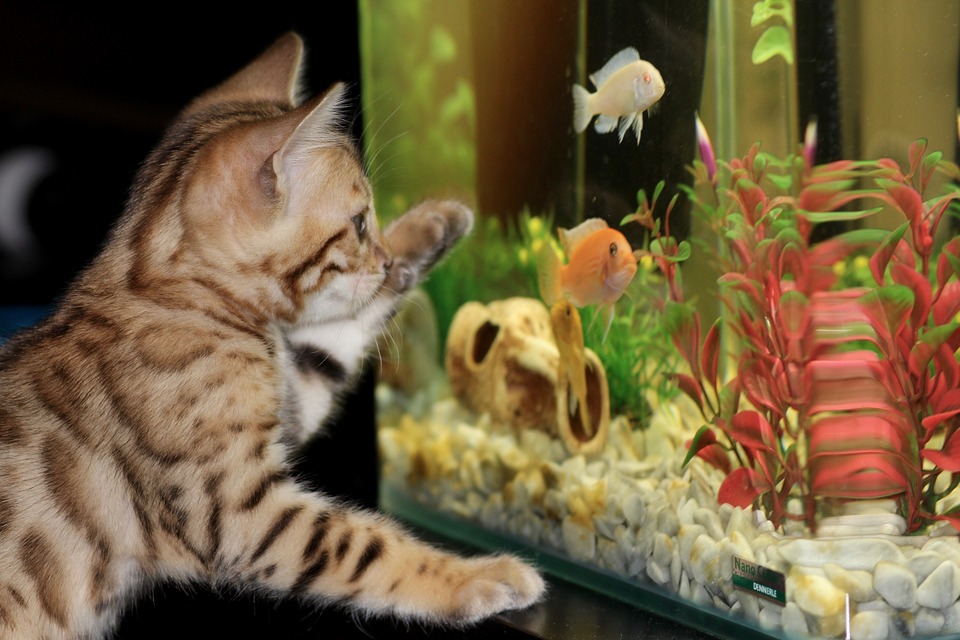



 Keep up with your dog’s energy by keeping your hip flexors in good condition. No matter how old you are, whether you eat healthily and work out hard or not, you are still prone to having injuries because of constricted or tight hip flexors. This distresses not only affect your physique but your entire well being and comfort.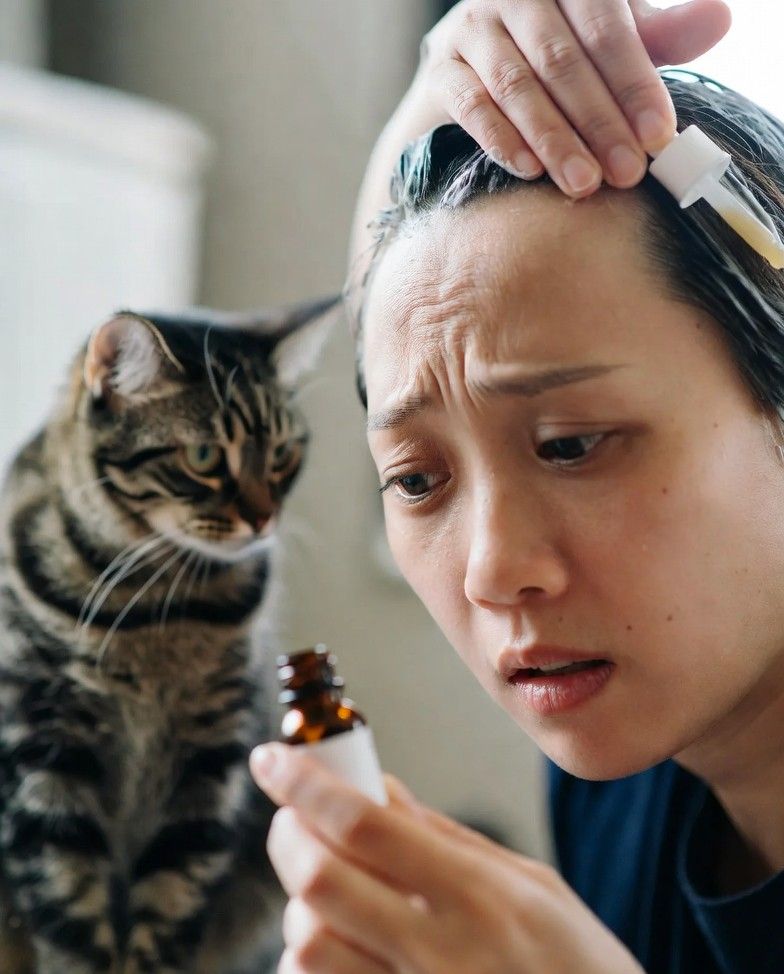
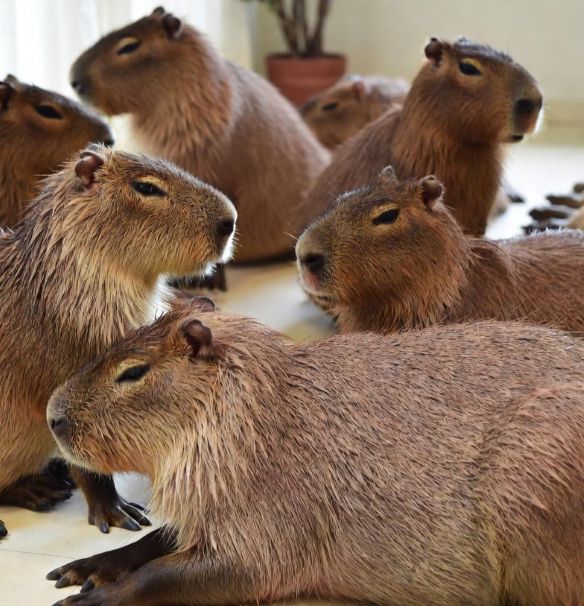
















 The application of growth hormones in farm animals work to increase the efficiency of animal feeds. Through the addition of a mix of natural and synthetic growth-promoting substances, the feeds can accelerate the growth of young farm animals.


 The Centers for Disease Control (CDC) gives advice that while there are several different technologies in use, no manufacturer can claim that their processes can eliminate all kinds of contaminants. The CDC reminds consumers to carefully read labels and ro check product claims against independent sources. That way, they can make certain the product can make the water not only safe, but also healthy to drink.