
Animals that feel safe behave differently, they move slowly, eat calmly, and show curiosity instead of fear. This simple fact is often the clearest sign of good welfare. In cities where space is limited, animal cafés have become a popular way for people to interact with animals. These places sit somewhere between cafés, learning spaces, and small urban zoos. Their success depends on one core idea, animal health must come first.
Well-managed venues such as Animal Cafe Bangkok show how this balance can work when ethics guide every decision. Little Zoo Garden, one of Bangkok’s best-known animal cafés, offers a useful case study. Its setup focuses on comfort, routine, and respect for animals rather than constant interaction. This approach helps visitors understand that ethical care is not about access, it is about responsibility.
Why Calm Behavior Matters More Than Cute Moments
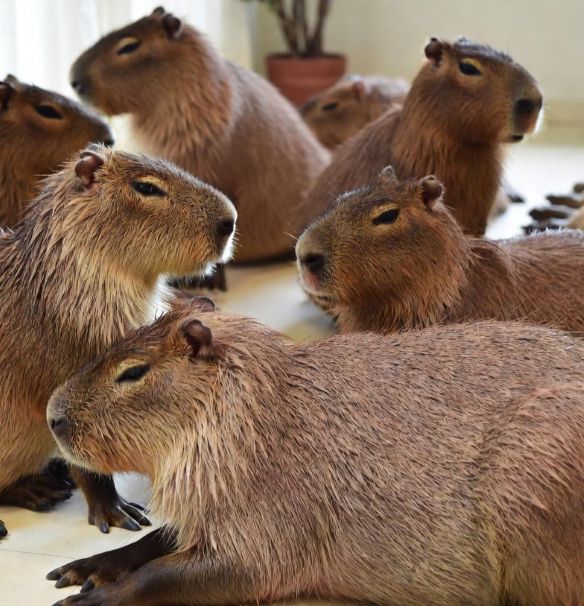
Healthy animals show clear signs of comfort. Capybaras rest in groups without tension. Goats approach visitors at their own pace. Tortoises move slowly and steadily, following natural patterns. These behaviors do not happen by accident. They come from consistent care, proper nutrition, and environments designed around animal needs.
In poorly run cafés, animals often appear restless or withdrawn. Loud noises, forced handling, and overcrowding create stress. Ethical cafés reduce these risks by limiting visitor numbers and controlling how people interact with animals. When animals choose to engage, the experience becomes safer and more meaningful for everyone.
Habitat Design Shapes Animal Welfare
Space and layout play a major role in animal well-being. At Little Zoo Garden, each species has areas that reflect its natural habits. Capybaras have room to rest together and access to water. Goats have elevated platforms and open ground to move freely. Tortoises are kept in clean, stable environments with proper temperature and lighting.
These design choices reduce stress and prevent injuries. They also allow animals to retreat when they want privacy. Ethical animal cafés understand that constant visibility is not healthy. Animals need quiet zones just as much as public areas.
Controlled Feeding Protects Animal Health
Feeding is one of the most sensitive parts of animal cafés. Uncontrolled feeding leads to weight gain, stomach issues, and tense behavior. Responsible venues limit what and when animals eat, and visitors are often guided or restricted from feeding animals directly. Even everyday human treats can be harmful, which is why questions such as Is boba safe for pets? matter more than many people realize.
Staff members monitor portions and ensure diets match each species’ needs. This practice keeps animals healthy and prevents them from associating humans only with food. At ethical cafés, interaction is based on observation and respect, not treats.
Clean Spaces Are a Welfare Standard
Clean environments are critical to animal welfare. Hygiene protects animals, staff, and visitors. Daily cleaning routines reduce bacteria and parasites. Fresh water, clean bedding, and proper waste disposal are basic requirements, not optional extras.
Venues like Animal Cafe Bangkok set an example by treating cleanliness as part of animal care, not just customer comfort. When spaces smell fresh and look well maintained, it often reflects strong behind-the-scenes routines.
Daily Health Monitoring Builds Trust
Ethical animal cafés rely on trained staff who observe animals every day. Changes in appetite, movement, or behavior are noted early. This allows quick action if an animal feels unwell.
Regular veterinary checks support this system. Transparent care practices build trust with visitors and show that animals are not props. They are living beings with needs that change over time.
What Visitors Should Look For
Choosing ethical venues matters. Visitors can support good welfare by paying attention to small details. Calm animals, clear rules, and staff guidance are positive signs. Educational signs and open explanations of care routines show accountability.
When animal cafés focus on learning instead of entertainment, they become valuable examples of modern welfare. Animal Cafe Bangkok shows how urban spaces can respect animals while still welcoming the public.
Ethics Define the Future of Animal Cafés
Animal cafés will continue to grow in cities where people seek connection with nature. Their long-term success depends on ethics, not trends. Healthy animals, clean spaces, and transparent care should always come before photos and social media attention.
When done right, places like Animal Cafe Bangkok help visitors understand that animal welfare is a daily commitment. These cafés can teach respect, patience, and responsibility, lessons that extend far beyond the café walls.
